How to Choose the Right Architect for Your Project
Choosing an architect is one of the most important decisions you'll make. Here's how to approach it.
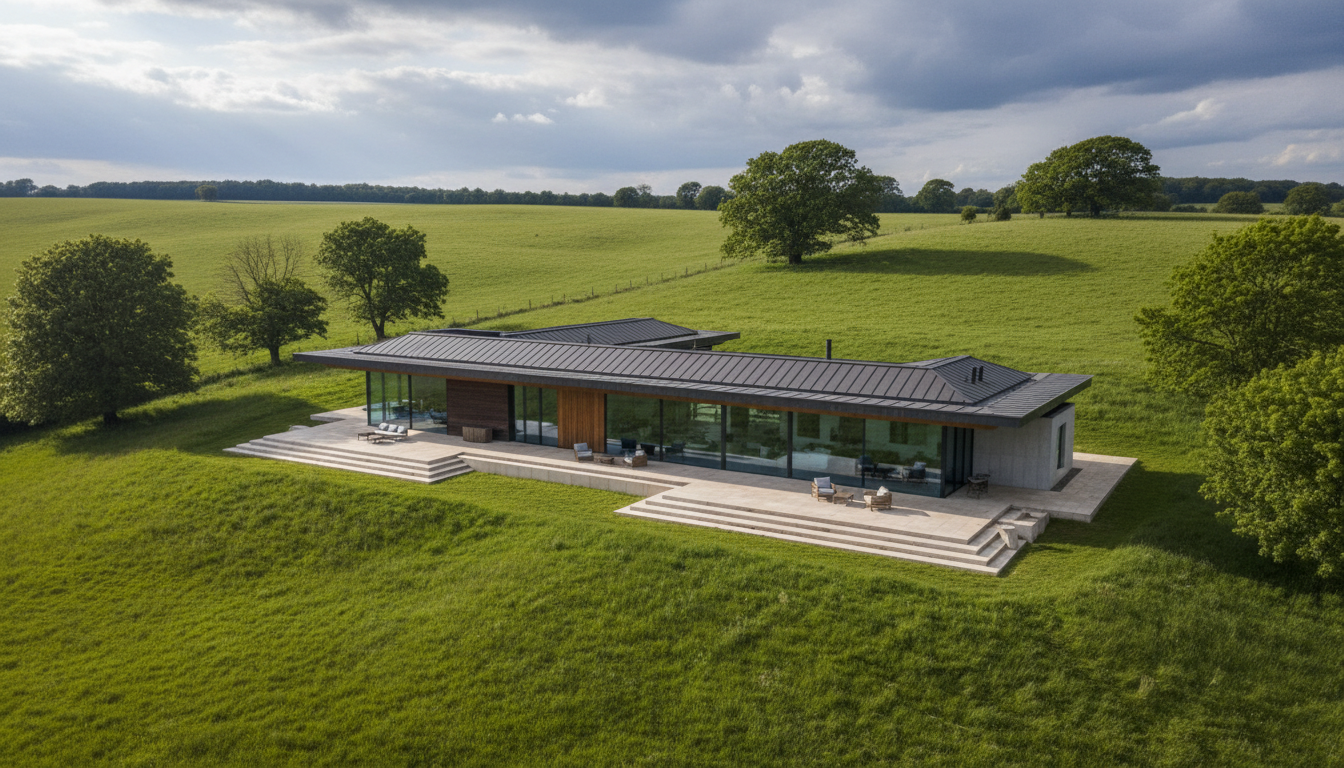
Choosing an architect is a significant decision — perhaps more significant than most people realise at the outset. You're selecting someone who will shape your home, manage a substantial sum of your money, and work closely with you for months or years. Getting this right matters enormously.
Credentials and Registration
In the UK, the title "architect" is protected by law. Only those registered with the Architect's Registration Board (ARB) can call themselves an architect. The ARB register is publicly searchable, and it's worth checking before appointing anyone.
Many architects are also members of the Royal Institute of British Architects (RIBA), which requires ongoing professional development and adherence to a code of conduct. RIBA Chartered Practices — which we are — carry additional quality assurance.
There are also excellent architectural designers who are not registered architects but have substantial training and experience. The important thing is to understand someone's qualifications and experience relative to your project type, not simply to tick a credentials box.
Portfolio and Specialism
Look carefully at an architect's portfolio. Does their work resonate with you? Do they have experience with projects similar to yours — in terms of scale, type, and context?
Specialism matters. An architect who has done ten loft conversions in conservation areas will navigate the planning process more fluently than one for whom it's unfamiliar territory. Someone with deep experience in heritage and listed buildings brings specific knowledge that a generalist won't have.
Don't just look at the images — read the project descriptions. Understand what problems were solved, what constraints were navigated, what the clients were trying to achieve.
The Initial Meeting
Most architects offer a free initial consultation. Use it. Come with questions, and pay attention to how they listen. A good architect is genuinely curious about how you live — they ask more questions than they answer in the first meeting.
Be wary of anyone who arrives with solutions before they've understood the problem, or who seems more interested in impressing you with their work than understanding yours.
Fees
Architectural fees are typically structured as a percentage of the construction cost (usually 8–15% for a full service), a fixed fee agreed at the outset, or an hourly rate. Each has its place.
A percentage-based fee aligns the architect's incentive with the quality of the project; a fixed fee gives certainty. Be cautious of fees that seem unusually low — architecture is a time-intensive profession, and very low fees usually mean reduced service.
Get clarity on what's included at each stage of the project — design, planning application, building regulations, construction documentation, and site inspection are all distinct phases with distinct fee implications.
Trust Your Instincts
Beyond all of the above, trust your instincts. You're going to spend a lot of time with this person. You need to feel heard, respected, and confident. The best client-architect relationships are genuine partnerships — and the best buildings emerge from them.
We're always happy to meet for an initial conversation, with no commitment on either side. If you'd like to discuss your project, get in touch. You can also browse our portfolio to get a sense of the work we do.