Designing in a Conservation Area: Constraints and Opportunities
Conservation Areas present real planning constraints — but also genuine design opportunities. Here's how to navigate them successfully.
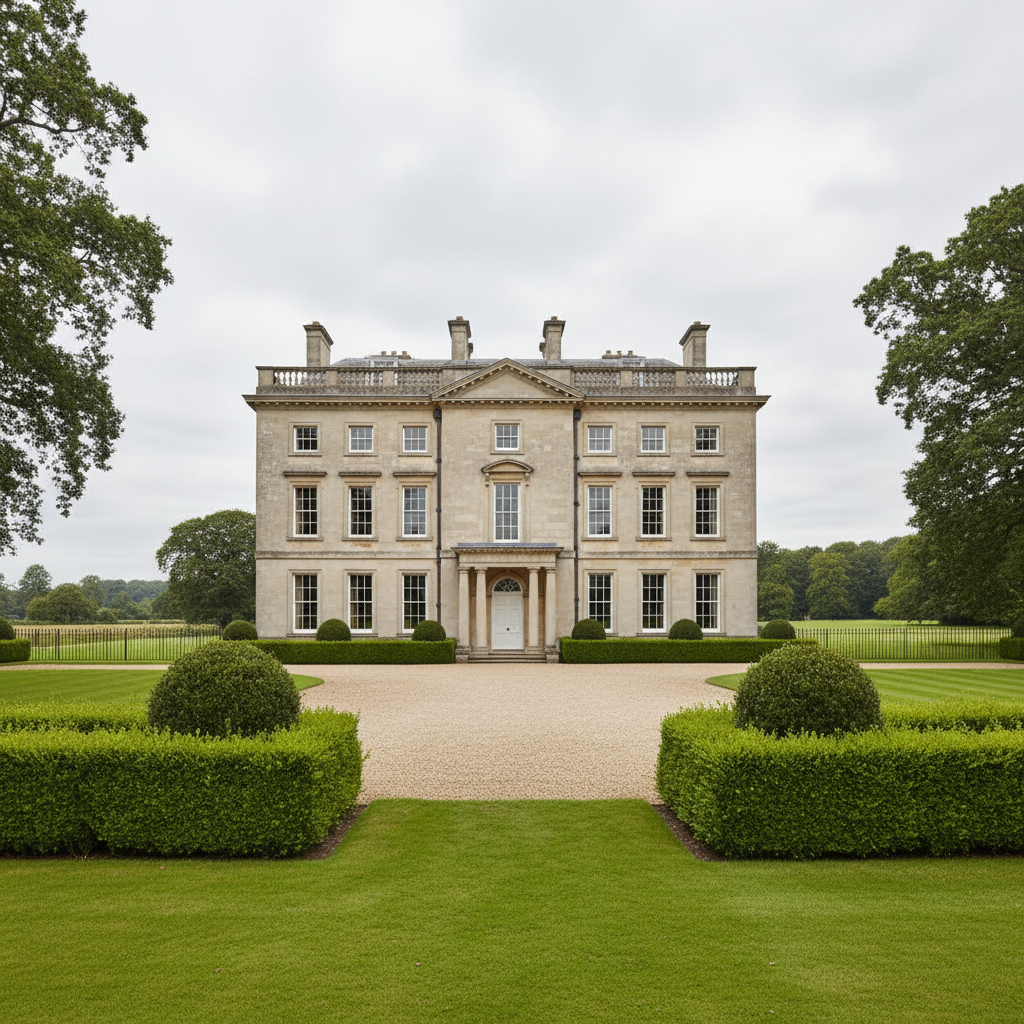
Hampshire has an extraordinary wealth of Conservation Areas — designated to protect the special architectural and historic character of places that matter. Winchester, Petersfield, Bishop's Waltham, Wickham, and dozens of villages across the county all contain areas where additional planning controls apply. If you own a property within one, you will be familiar with the additional layer of scrutiny that comes with almost any building work.
What is less well understood is that designing within a Conservation Area need not be a process of constraint management and compromise. The best work we do in these sensitive contexts is often our most rewarding — not because the constraints are low, but because good design and rigorous conservation practice are actually the same thing.
What Is a Conservation Area?
Conservation Areas are designated by local planning authorities under the Planning (Listed Buildings and Conservation Areas) Act 1990. Unlike listed building designation — which attaches to specific buildings — Conservation Area designation applies to areas: the whole of a historic town centre, a group of Victorian villas, an estate village, a stretch of Georgian townhouses.
The purpose of designation is to preserve and enhance the character and appearance of the area. This doesn't mean preventing all change — it means ensuring that change is sympathetic.
What Are the Additional Controls?
Within a Conservation Area, the following additional controls typically apply:
Permitted Development rights are significantly restricted. Extensions, alterations, cladding, roof changes, and the insertion of satellite dishes all require planning permission rather than falling under PD rights. Even relatively minor works that would be PD elsewhere require a full application.
Demolition requires consent. The demolition of unlisted buildings within Conservation Areas requires Conservation Area Consent — a distinct and additional consent from planning permission.
Trees are protected. All trees above a certain size within Conservation Areas are subject to six weeks' notification before any works can be carried out — even where they are not the subject of a Tree Preservation Order. This is frequently overlooked by homeowners and can cause significant delays.
Article 4 Directions. Some Conservation Areas are subject to Article 4 Directions, which further restrict PD rights — commonly removing permitted development for alterations visible from a highway, including window replacements.
The Design Approach
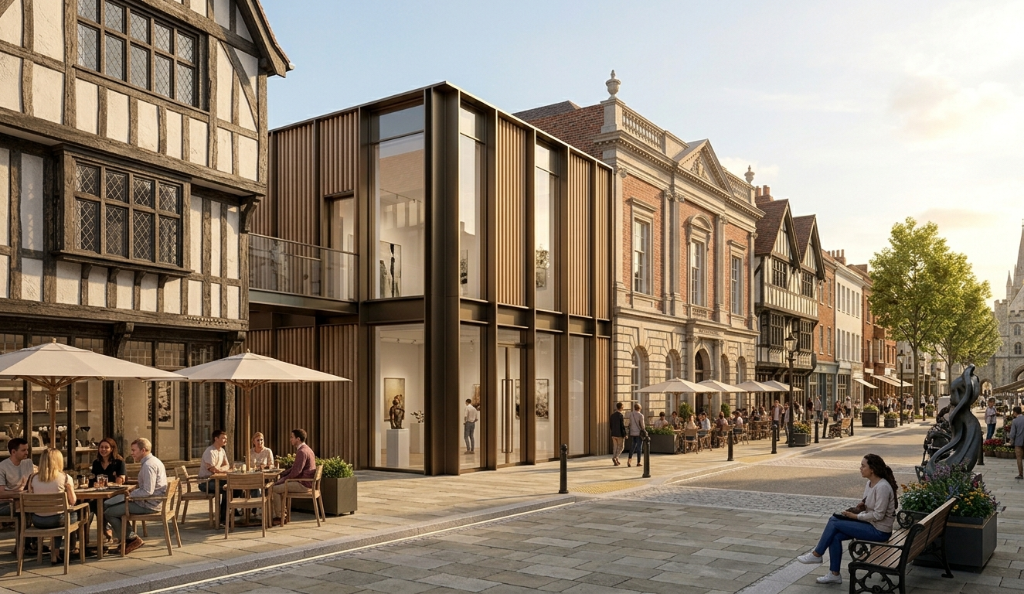
Our approach to Conservation Area design is informed by a straightforward principle: new work should be clearly of its time, well-crafted, and genuinely respectful of its context — without being pastiche or imitative.
English Heritage (now Historic England) published influential guidance in this area — the "Building in Context" report — which articulates this position clearly. Good conservation practice does not require new buildings to look old. It requires them to be designed with sufficient understanding of the existing character that they contribute positively to it, without diminishing what makes the area special.
In practice, this means:
Understanding the character appraisal. Every Conservation Area should have a Character Appraisal and Management Plan — a document produced by the local authority that describes the key elements of the area's special character. Reading and understanding this document is the starting point for any design work.
Scale, massing and rhythm. The most important design variables in a Conservation Area context are not materials or architectural language — they are scale, massing, and rhythm. A new building that respects the prevailing building heights, plot widths, and setbacks will be sympathetic regardless of its architectural style. A building that violates these variables will be harmful regardless of how carefully it imitates the existing fabric.
Materials. In many Conservation Areas, materials do matter — particularly in roofing and walling. A clay tile roof in an area of clay tile houses is contextually appropriate. A concrete tile or metal roof may not be. Natural materials almost always perform better in Conservation Area contexts, both aesthetically and in planning terms.
Detailing. The quality of detailing — window proportions, the depth of reveals, the resolution of junctions between old and new — is visible at close range and matters enormously to conservation officers.
Pre-Application Engagement
In Conservation Areas, pre-application engagement with the local authority's conservation officer is even more important than it is for routine planning applications. Conservation officers have a deep knowledge of their designated areas and strong views about what is and isn't appropriate. Understanding those views before you spend money on detailed design can prevent wasted effort and improve outcomes significantly.
We engage conservation officers early on virtually all our Conservation Area projects. The conversations are invariably valuable — not because we always agree, but because they surface issues that might otherwise only emerge at the formal application stage.
A Note on Winchester
Winchester has one of the most extensive and tightly managed Conservation Areas in southern England, covering most of the historic city centre and many of the older residential streets. The Hampshire Historic Towns Survey and Winchester's own Conservation Area Appraisals set detailed expectations for design quality within the city. We work regularly within Winchester and have a well-established relationship with the city's conservation team — which stands our clients in good stead when navigating applications.
If your project is within a Conservation Area and you'd like to discuss your options, get in touch. We'd be delighted to review your site and advise on the planning approach.