Understanding Permitted Development Rights in 2025
A comprehensive guide to what you can build without full planning permission in Hampshire.
Permitted Development (PD) rights allow homeowners to carry out certain types of work without needing full planning permission. These rights were significantly updated in recent years, and understanding what they cover — and what they don't — is one of the first things we discuss with new clients.
What Falls Under Permitted Development?
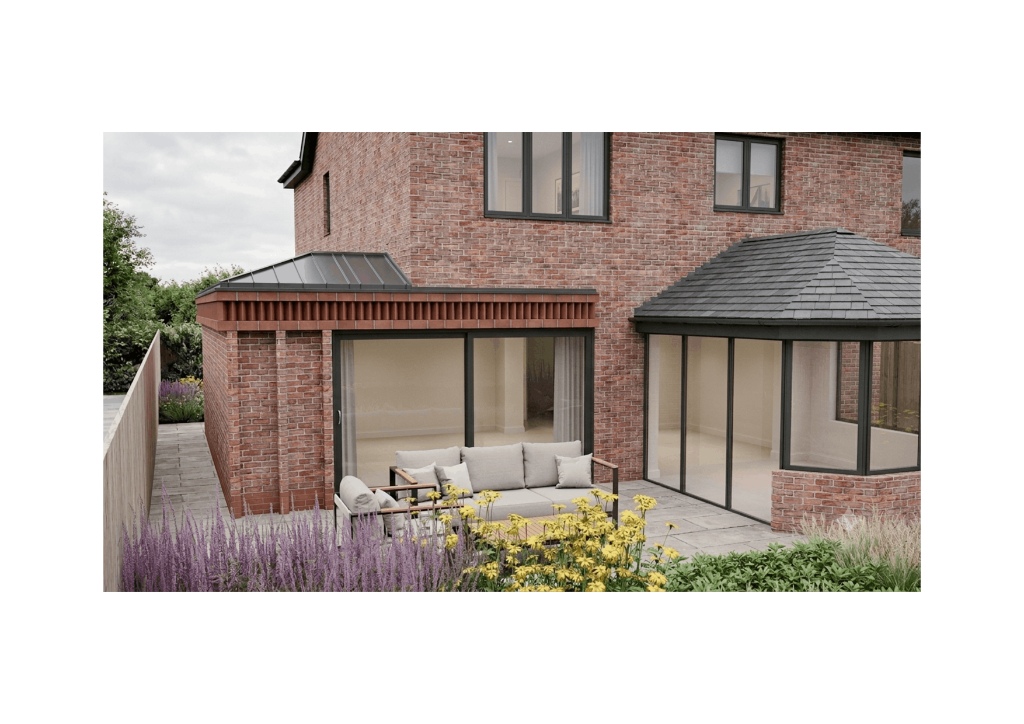
For most residential properties in England, PD rights allow you to extend your home to a reasonable size, convert your loft, and make alterations to your roof without a full planning application. Specifically, single-storey rear extensions of up to 4 metres (detached) or 3 metres (attached) are typically permitted under the householder rules, with a prior approval process allowing extensions of up to 8 and 6 metres respectively.
Where PD Rights Don't Apply
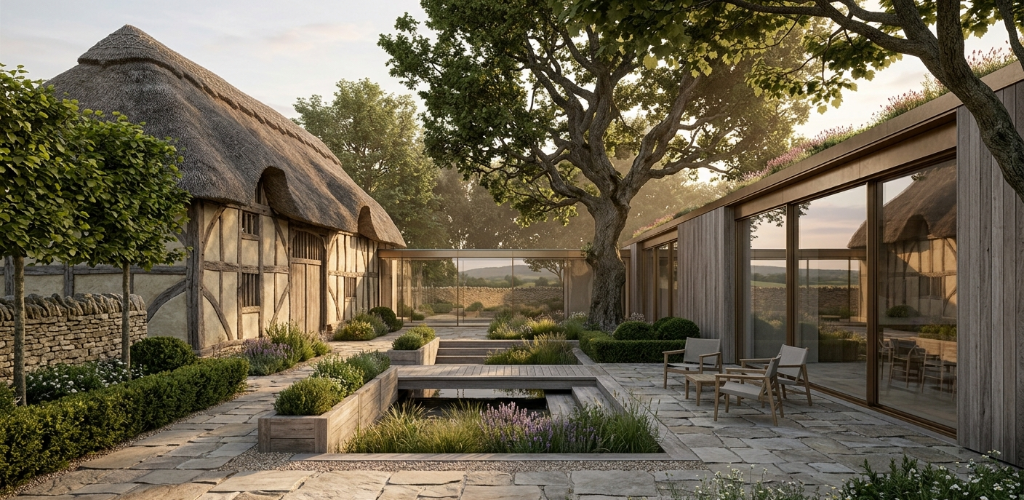
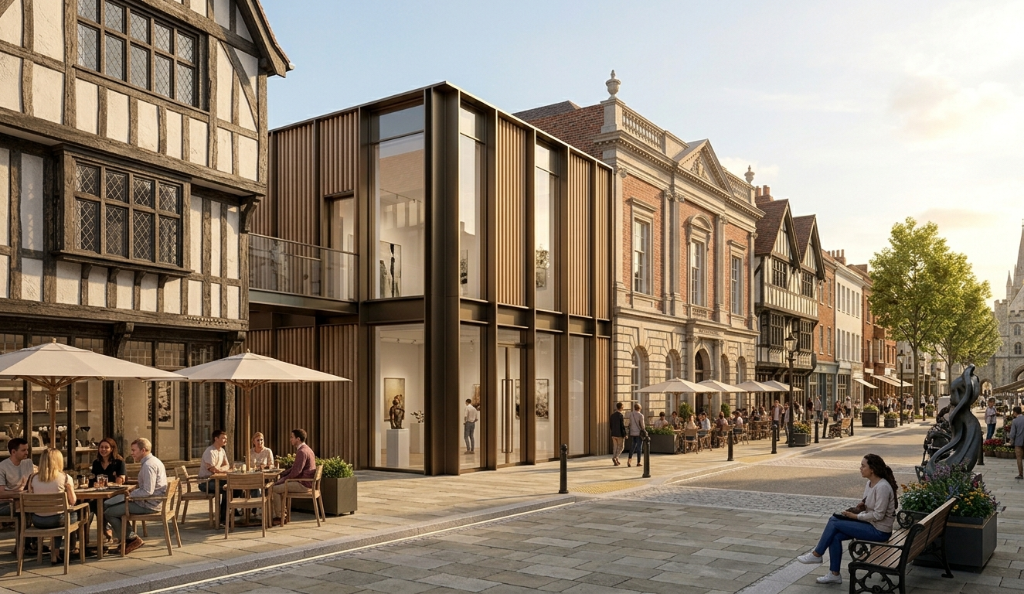
There are important exceptions. If your property is located in a Conservation Area, an Area of Outstanding Natural Beauty (AONB), or a National Park, PD rights are significantly restricted or removed entirely. Many properties in Hampshire — particularly across the New Forest and South Downs — fall within these protected zones.
Listed buildings operate under an entirely different framework. Even minor alterations require Listed Building Consent, and the standard PD rights simply don't apply.
It's also worth noting that some new-build developments are sold with what's called an Article 4 Direction, which removes PD rights from the property as a condition of the original planning consent.
Why It Matters for Your Project
Understanding PD rights from the outset shapes the entire design strategy. Where PD applies, we can often move more quickly — designing to the permitted envelope and using a Prior Approval application rather than a full planning submission. This typically takes 8 weeks rather than the 8–13 weeks of a full application.
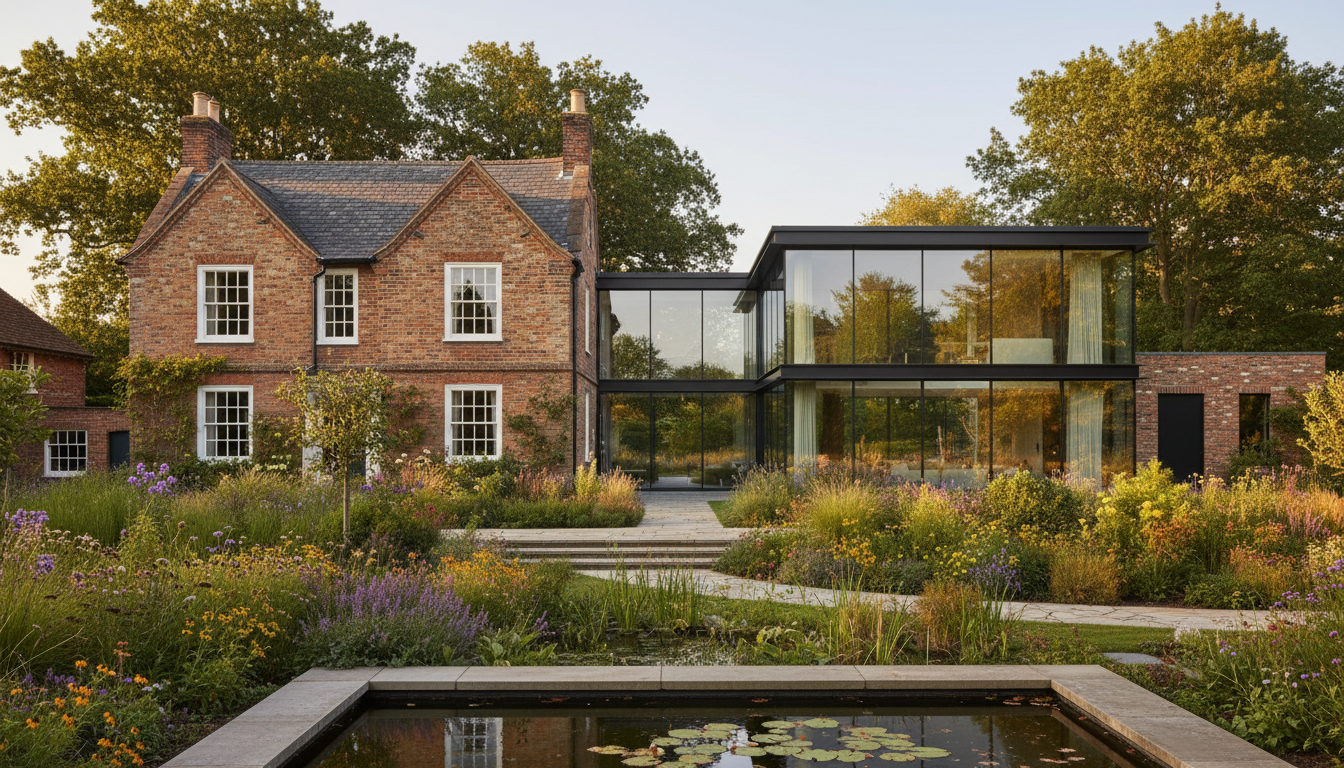
Where PD doesn't apply, we use our planning expertise to design something that responds intelligently to the local planning authority's policies — maximising what's achievable while minimising planning risk.
Our Advice
Before you instruct an architect, it's worth establishing whether your property benefits from PD rights. We offer an initial planning review as part of our first consultation, giving you clarity on your options before any design work begins.
If you're unsure about your property's status, get in touch — we're happy to take a look.