Working with a Listed Building: What You Need to Know
Listed building consent is a distinct process from planning permission — here's how to navigate it successfully.
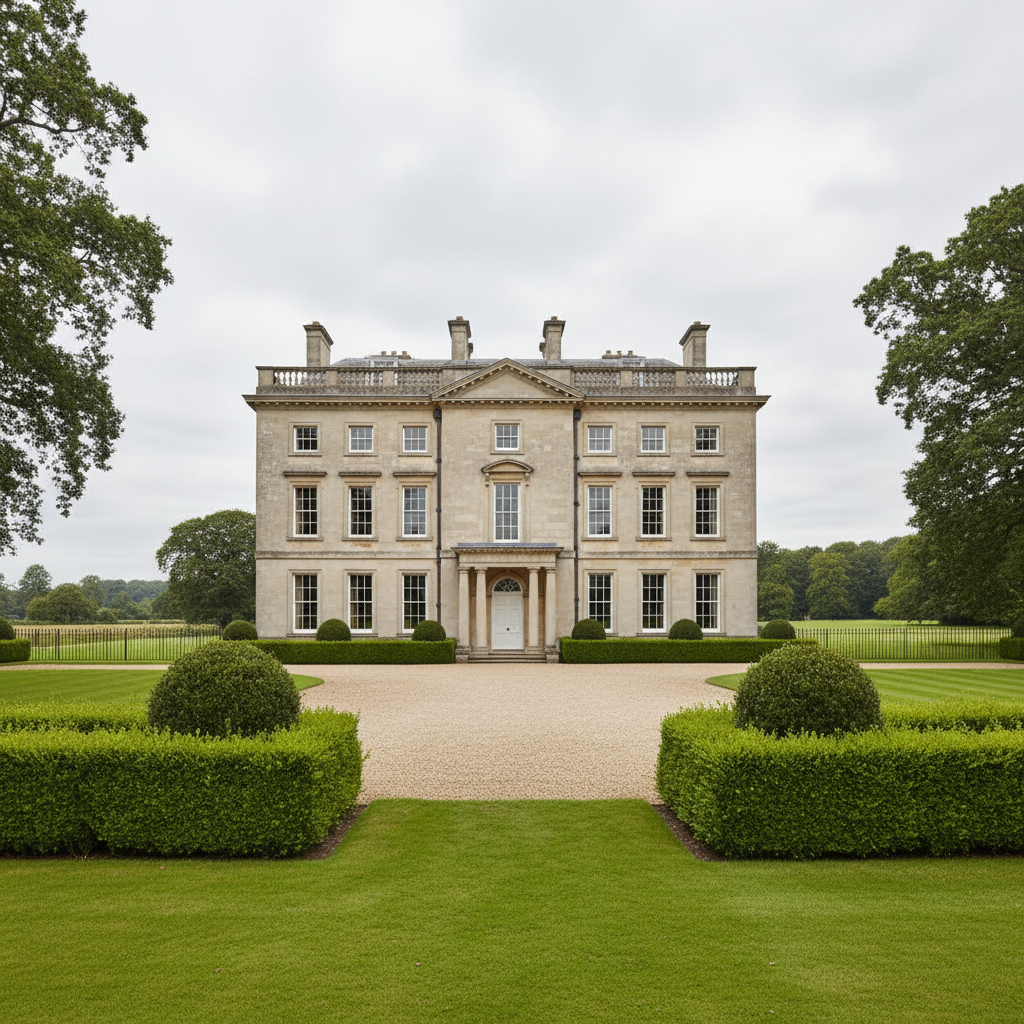
England has over 375,000 listed buildings, and Hampshire — with its wealth of Georgian townhouses, medieval farmhouses, and Victorian villas — has more than its fair share. If you own one, you'll know that the responsibilities are considerable. But so are the rewards.
What Is Listed Building Consent?
Listed Building Consent (LBC) is a separate consent from planning permission, required for any works that would affect the character of a listed building — internally or externally. This goes well beyond what most people expect. Replacing windows, removing internal walls, altering fireplaces, even changing light fittings in some cases can require consent.
The key question is always whether the proposed work affects the building's "special architectural or historic interest." This is a judgement call that requires experience and an understanding of how your local conservation officer thinks.
Grade I, II*, and II — What's the Difference?
Only about 2% of listed buildings are Grade I — considered to be of "exceptional interest." A further 6% are Grade II*, covering "particularly important" buildings. The vast majority — around 92% — are Grade II, which represents the baseline for listed status.
In practical terms, the grade affects the level of scrutiny your application will receive, but not the underlying principle: all listed buildings require consent for works affecting their character, regardless of grade.
The Conservation Officer Relationship
The single most important factor in a successful listed building application is the relationship with the local authority's conservation officer. We always engage with the conservation officer early — before submitting any application — to understand their priorities and concerns.
This pre-application dialogue costs nothing and can save enormous amounts of time and money. A conservation officer who understands and supports your proposals from the outset is far more likely to recommend approval than one encountering your scheme for the first time in a formal application.
Designing for a Listed Building
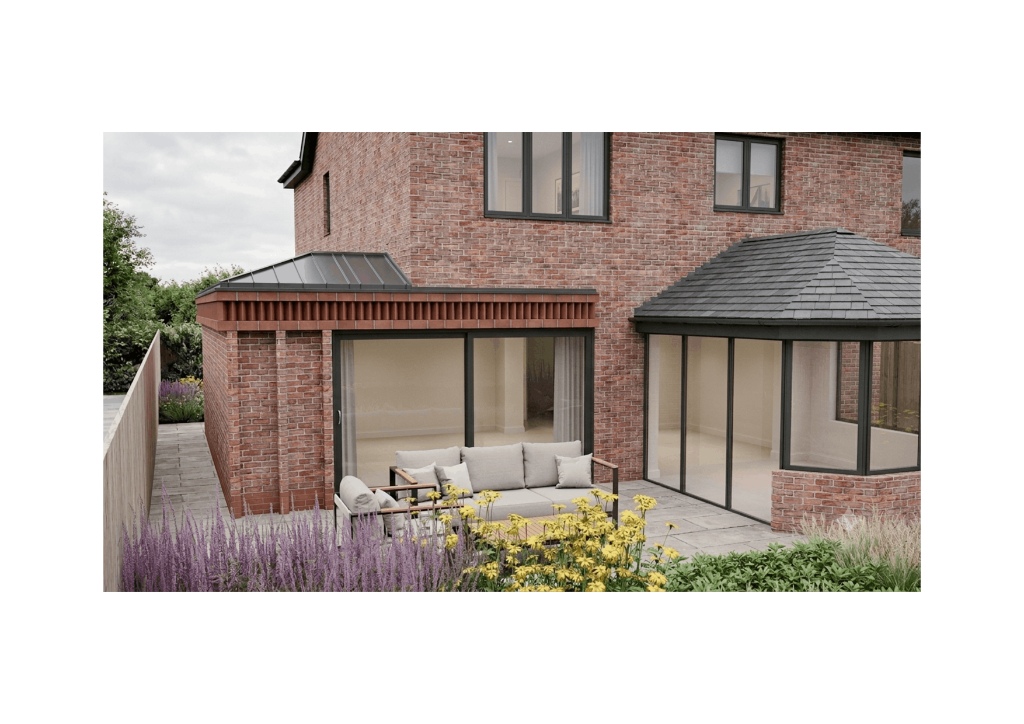
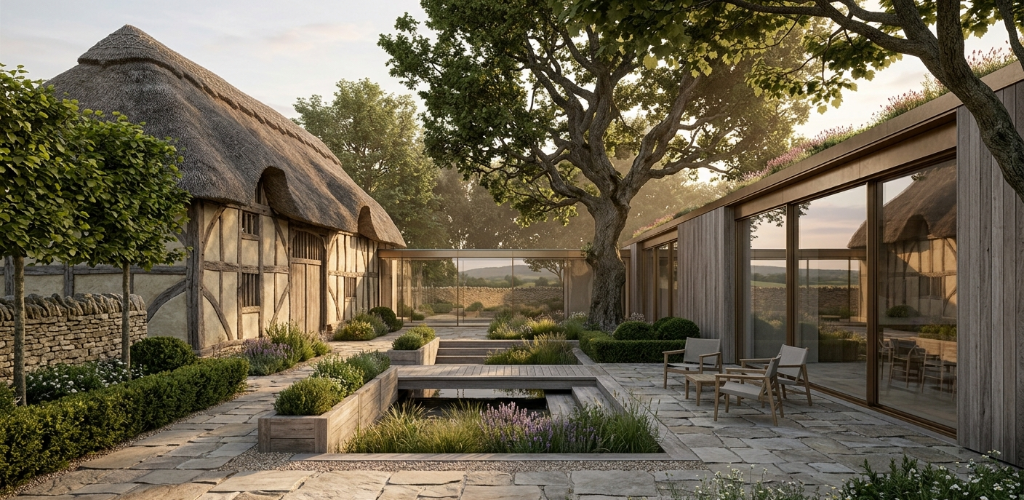
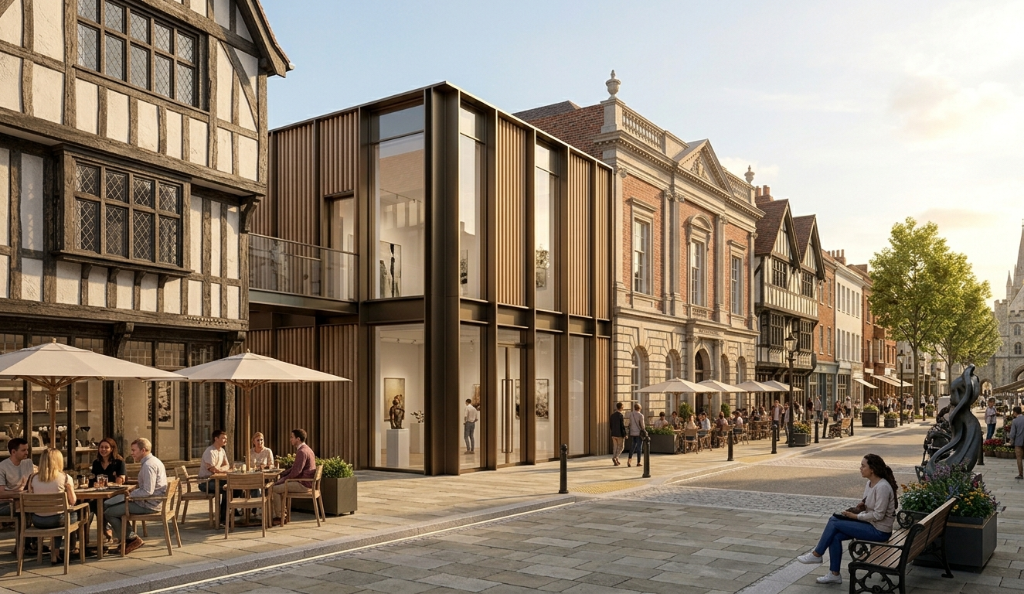
The best interventions in listed buildings are those that are clearly of their time — honest, well-crafted modern additions that don't pretend to be something they're not. Pastiche is rarely the right approach. Good conservation practice distinguishes clearly between old and new while ensuring the new is worthy of its context.
This is design work we find genuinely rewarding. The constraints of a listed building are not obstacles — they're the conditions that produce the most interesting architecture.